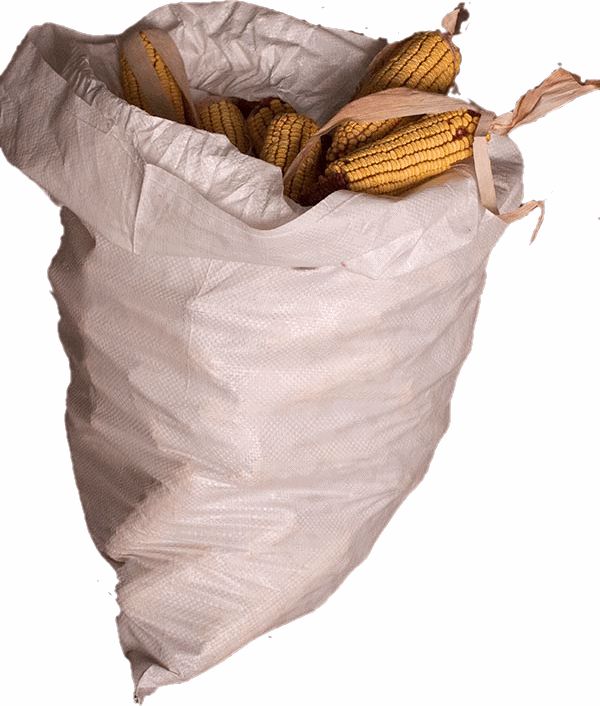
Ear Corn Deer Feed, 70Lb
SKU EarCorn
$12.59
Sold out
Sold out
Save this product for later
Customer reviews
Reviews only from verified customers
No reviews yet. You can buy this product and be the first to leave a review.
Ear Corn Deer Feed, 70Lb
Product Details
Brand: Local
Weight: 50.00 lbs
Ear Corn Deer Feed, 70Lb
Ear Corn Deer Feed, 70 lb is a natural, high-energy wildlife feed made from whole ears of field corn with the kernels still attached to the cob. Ideal for attracting white-tailed deer, squirrels, wild turkeys, and other corn-eating wildlife, this traditional wildlife feed provides a convenient way to supplement natural food sources and encourage wildlife activity in designated feeding areas.
Unlike shelled or cracked corn, whole ear corn retains the kernels on the cob, allowing wildlife to remove the kernels as they feed. This natural feeding process can encourage animals to spend additional time at a feeding location, making ear corn popular for wildlife observation, trail camera sites, and managed hunting properties where feeding is permitted.
Corn is naturally rich in carbohydrates, providing a concentrated source of dietary energy. It is especially appealing to deer and other wildlife accustomed to feeding in agricultural areas and harvested cornfields.
Packaged in a generous 70-pound quantity, this ear corn is a practical choice for landowners, hunters, wildlife enthusiasts, and rural property owners who maintain supplemental feeding locations.
Key Features / Specifications
- Product Name: Ear Corn Deer Feed
- Product Type: Whole Ear Corn Wildlife Feed
- Net Weight: 70 lb
- Feed Form: Whole Ears of Corn on the Cob
- Primary Ingredient: Corn
- Primary Target Animal: White-Tailed Deer
- Other Wildlife: Squirrels, Wild Turkeys, and Other Corn-Eating Wildlife
- Primary Purpose: Supplemental Wildlife Feeding and Attraction
- Feed Type: Natural Grain-Based Energy Feed
- Energy Source: Carbohydrates and Starch
- Corn Form: Kernels Attached to Cob
- Application: Outdoor Wildlife Feeding Areas
- Feeding Method: Ground Feeding or Compatible Ear Corn Feeding Stations
- Suitable for Trail Camera Sites: Yes, Where Feeding Is Permitted
- Suitable for Wildlife Observation: Yes
- Package Weight: 70 Pounds
- Complete Nutritional Feed: No
- Storage: Cool, Dry, Well-Ventilated Location
- Intended Use: Wildlife Feed Only
- Human Consumption: Not Intended
Key Features / Benefits
- Natural Whole Ear Corn: Features corn kernels attached to the cob for a traditional wildlife feeding option.
- 70-Pound Quantity: Convenient bulk amount for maintaining outdoor feeding locations.
- Attracts White-Tailed Deer: Corn is a familiar agricultural food source for deer.
- Appeals to Multiple Wildlife Species: Can attract squirrels, wild turkeys, and other corn-eating animals.
- High-Energy Grain: Corn supplies carbohydrates that provide dietary energy.
- Encourages Natural Feeding Behavior: Wildlife remove kernels directly from the cob.
- Longer Feeding Interaction: Whole ears may encourage animals to remain at a feeding location while removing kernels.
- Ideal for Wildlife Observation: Useful at designated feeding areas and trail camera locations.
- Traditional Farm-Style Feed: Resembles corn naturally encountered in agricultural fields.
- No Specialized Processing Required: Whole ears can be offered in appropriate feeding locations.
- Versatile Outdoor Use: Suitable for wildlife management and rural property feeding applications where permitted.
Ideal For
- White-tailed deer feeding areas
- Wildlife observation locations
- Trail camera monitoring sites
- Managed hunting properties where baiting is legal
- Rural property wildlife feeding
- Farm and woodland feeding locations
- Squirrel feeding stations
- Wild turkey feeding areas
- Outdoor wildlife enthusiasts
- Landowners maintaining supplemental feeding sites
Natural Whole Ear Corn
Ear corn consists of whole ears of mature corn with the kernels remaining attached to the cob.
This distinguishes it from shelled corn, where the kernels have been removed, and cracked corn, where kernels are broken into smaller pieces.
The whole-ear form provides wildlife with a familiar feeding experience similar to consuming mature corn in agricultural fields.
Attractive to White-Tailed Deer
White-tailed deer commonly consume corn in agricultural environments, making ear corn a recognizable food source.
Deer can remove kernels directly from the cob, providing a feeding experience that differs from consuming loose grain.
Whole ear corn is often used at designated wildlife feeding locations to encourage deer activity and support observation efforts.
High-Energy Supplemental Feed
Corn is naturally rich in starch and carbohydrates, making it a concentrated source of dietary energy.
However, ear corn is not a complete or balanced deer diet. It should not replace natural forage or a properly formulated supplemental feeding program.
Deer require a varied diet that supplies adequate protein, minerals, fiber, and other nutrients. Introducing large quantities of corn abruptly can also cause digestive problems.
Encourages Wildlife Activity
Because the kernels remain attached to the cob, animals must remove them while feeding.
This can encourage longer feeding interactions compared with loose shelled corn, depending on the animal and feeding conditions.
For wildlife enthusiasts, this may provide additional opportunities to observe animal behavior or capture photographs using trail cameras.
Suitable for Trail Camera Locations
Ear corn can be used at designated trail camera locations where supplemental wildlife feeding is permitted.
The whole-ear format provides a visible food source that may encourage animals to visit the feeding area.
Always follow applicable wildlife regulations and avoid feeding practices that unnecessarily concentrate animals or encourage disease transmission.
Attracts Other Corn-Eating Wildlife
Although primarily marketed as deer feed, whole ear corn may also attract other wildlife species.
Potential visitors include:
- Squirrels
- Wild Turkeys
- Raccoons
- Other Corn-Eating Wildlife
The animals attracted will vary depending on the region, habitat, season, and availability of natural food.
Convenient 70-Pound Quantity
The 70-pound package provides a substantial quantity of ear corn for maintaining wildlife feeding areas.
This larger quantity can be convenient for landowners and wildlife enthusiasts who regularly replenish designated feeding locations.
The number of ears and their individual sizes will vary naturally with the corn harvest.
Feeding Recommendations
Offer ear corn only in locations where supplemental wildlife feeding is legal and appropriate.
Use manageable quantities to reduce spoilage and unnecessary wildlife concentration.
Inspect feeding locations regularly and remove uneaten corn that becomes wet, moldy, or contaminated.
Corn should be introduced cautiously as part of an appropriate wildlife feeding program rather than supplied suddenly in large amounts.
Proper Storage
For best quality, store ear corn in a cool, dry, well-ventilated location.
Keep the product protected from rain, standing water, excessive humidity, insects, and rodents.
Avoid storing bags directly on damp concrete or exposed ground.
Inspect stored corn periodically for signs of mold, moisture damage, unusual odors, or insect infestation.
Never feed moldy or spoiled corn to wildlife. Certain molds can produce harmful mycotoxins.
Important Wildlife Feeding Information
- Intended for supplemental wildlife feeding only.
- Not a complete or balanced nutritional ration.
- Avoid sudden introduction of large quantities of corn to deer.
- Do not offer moldy, wet, or spoiled corn.
- Keep feeding areas clean.
- Follow all state and local regulations regarding wildlife feeding and baiting.
- Do not use as a substitute for properly formulated livestock feed.
- Not intended for human consumption.
Package Includes
- (1) 70 lb Package of Whole Ear Corn Deer Feed
Net Weight: 70 Pounds
Feed Form: Whole Corn on the Cob
Primary Use: Supplemental Wildlife Feeding
Ear Corn Deer Feed, 70 lb | Whole Corn on the Cob | Natural High-Energy Wildlife Feed | Deer Attractant | Suitable for Deer, Squirrels & Wild Turkeys | Outdoor Wildlife Feeding & Observation.
Powered by Lightspeed
Display prices in:USD